There is something energizing about this point in October. Autumn Quarter is finding its rhythm, Seattle is putting on its fall colors, our campus is buzzing with students and activity, and there are still those occasional stretches of sunshine that make you want to take the long way across campus. We are settling in and there is much to celebrate, enjoy, and look forward to.
And perhaps part of wellness is allowing ourselves to enjoy those moments without disengaging from the world around us. At a time when events on college campuses, in our communities, and across the globe are raising difficult questions about safety, belonging, violence, justice, and our responsibilities to one another, looking away can feel neither possible nor right. Because joy and awareness are not opposites. Neither are rest and responsibility, or hope and honesty. Perhaps what community asks of us is the capacity to hold more than one truth at once:
Joy without disengagement.
Rest without indifference.
Hope without looking away.
And maybe that is exactly what wellness can look like right now.
As nurse, health educators, scholars and students, we find ourselves thinking about what to do when someone brings us distress, our first responsibility is not always to fix it. Sometimes it is to receive it well:
- To listen without immediately offering an answer.
- To resist minimizing what someone is experiencing.
- To ask, “What would be helpful right now?” rather than assuming we know.
- To recognize when distress needs more support than we alone can provide.
And sometimes, simply to stay present long enough for another person to know they do not have to carry the moment entirely by themselves. The same can be true when the distress is our own.
When the news feels relentless, stepping away for a while is not the same as not caring. We can choose when and how we take in information, return to the people and practices that ground us, move our bodies, eat something nourishing, laugh without guilt, seek support, or turn concern into one meaningful action. Rest can help sustain engagement rather than replace it.
And if what you, or someone around you, is carrying feels too heavy for those everyday practices, reaching toward support is also an act of care. Across UW, there are people and resources available for students, faculty, and staff, whether the need is someone to talk with, confidential advocacy, help navigating a difficult situation, or more immediate support. There is room in wellness for all of this: awareness and boundaries, advocacy and rest, grief and laughter, seriousness and joy.
And fortunately, this week gives us reasons for joy, reflection, connection, and community too.
Monday is Indigenous Peoples’ Day, and here at UW, on the homelands of the Coast Salish peoples, the day invites us to move beyond acknowledgment toward listening, learning, relationship, and respect for Indigenous knowledge and the enduring strength of Indigenous communities. For those of us in nursing and health, it also invites reflection on histories that continue to shape health, trust, access, and healing today.
For members of our Hindu community, Navratri continues this week, nine nights alive with devotion, reflection, color, music, dance, and celebration of the divine feminine. To colleagues, students, families, and friends celebrating: may these days bring strength, joy, renewal, and wonderful moments together.
October 15 brings White Cane Safety Day, an opportunity to celebrate the independence and contributions of people who are blind or visually impaired. For those of us who teach and provide care, it is also a reminder that true accessibility is not something we add after an environment has been designed; it belongs in how we imagine that environment from the beginning.
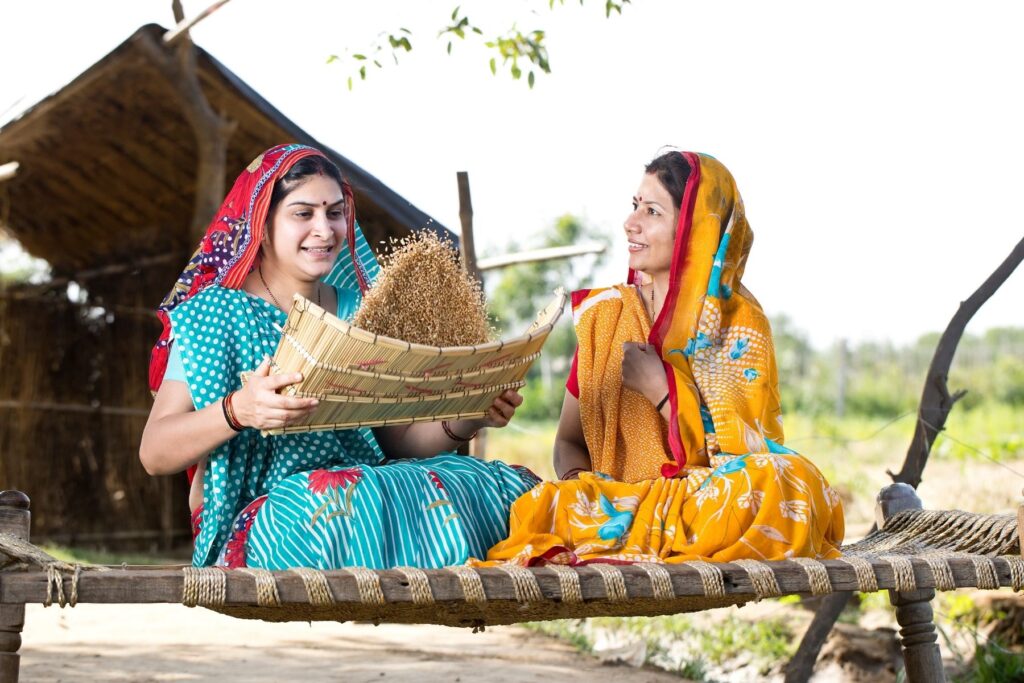
The same day, International Day of Rural Women honors women whose labor, leadership, caregiving, and knowledge sustain communities around the world, often while they themselves face significant barriers to healthcare and resources. Their stories remind nursing to keep looking beyond the walls of healthcare institutions to the social and structural conditions shaping health.
And October 15 gives nurses perhaps the most familiar observance of the week: Global Handwashing Day. Hand hygiene may be one of healthcare’s simplest practices, yet it remains one of its most powerful tools for preventing infection. There is something wonderfully nursing about that reminder: extraordinary impact can live in very ordinary actions, practiced consistently and with care.
World Food Day follows on October 16. Food is nourishment, but it is also culture, memory, family, economics, access, and belonging. Nurses know that asking people to “make healthy choices” means very little if we never ask whether those choices are affordable, available, culturally meaningful, or realistically accessible. Food security is health equity.
And throughout October, Breast Cancer Awareness Month, Domestic Violence Awareness Month, National Bullying Prevention Month, and Children’s Health Month remind us that awareness matters most when it moves beyond a ribbon or a calendar designation toward prevention, compassion, advocacy, and action.
Around Our UW & Seattle Community

UW’s Kelly Ethnic Cultural Center continues its community welcome celebrations this week, creating spaces for Asian American, Black, and Pacific Islander students and communities to gather, connect, eat, celebrate, and find belonging. There is something deeply wellness-promoting about spaces where people do not have to explain who they are before they can belong.
Beyond campus, Refract: The Seattle Glass Experience runs October 15–18, bringing artists, demonstrations, exhibitions, and glassmaking experiences throughout the region. If you need an excuse to step away from your usual weekend routine, wandering somewhere beautiful and watching someone create something might be a pretty good one.
And on Sunday, UW becomes a little more energetic, and probably a little more purple (if that is possible), with Dawg Dash. Whether you are running the 10K, walking the 5K, bringing a little Husky to the Pups Run, cheering someone on, or simply enjoying the activity around campus, movement counts in many forms.

And for Our Sports Fans…
Seattle has plenty to cheer about this week. The Seahawks travel to Denver Thursday evening, Husky Football takes on Purdue Saturday, and the Sounders return to Lumen Field Saturday night against CF Montréal. The Seattle Reign are also in action Sunday against the Chicago Stars. Sports may not appear in a traditional definition of wellness, but gathering, cheering, friendly rivalry, movement, and simply having something fun to anticipate absolutely can.
As we move deeper into Autumn Quarter, perhaps there is no need for a grand wellness goal this week. Instead, we might simply practice noticing:
- Notice the student who seems quieter than usual.
- Notice the colleague who may need an extra moment of grace.
- Notice whose voices are missing from a conversation.
- Notice when someone is trying to tell us something, even when listening may be uncomfortable.
- And notice yourself, too. What are you carrying? What is giving you energy? What might you put down, even temporarily? Where are you finding joy? And who are the people with whom you do not have to pretend that everything is fine?
Perhaps one of the most important things nursing teaches us is that caring and being cared for are not opposites. We all need both.
To those observing Indigenous Peoples’ Day, may it be a meaningful day of reflection, learning, and honoring enduring cultures and communities. To those celebrating Navratri, may these nine nights bring light, strength, joy, and connection. And to everyone in our School of Nursing community, whatever you may be carrying into this week, I hope there is room within it for rest, laughter, belonging, and something that restores you.
Take good care of yourselves and one another.